
- Home
- About
- Products
- Applications
- News
- Contact
 English
Views: 7 Author: Site Editor Publish Time: 2026-04-01 Origin: Site


Oriented Strand Board (OSB) is a popular engineered wood panel, favored for its balance of durability, affordability, and versatility. Overlooked by some in favor of plywood, OSB offers unique advantages for residential, commercial, and DIY projects. This guide covers its key details, benefits, uses, and essentials for selection and installation.
OSB is made from small wood strands (1–4 inches long), oriented in cross-laminated layers, bonded with water-resistant adhesives, and pressed under high heat and pressure. Unlike plywood (solid wood veneer layers), its cross-orientation delivers consistent strength and stability, ideal for load-bearing uses. It comes in various thicknesses (1/4–1-1/2 inches), standard 4x8-foot panels, and grades for different applications.
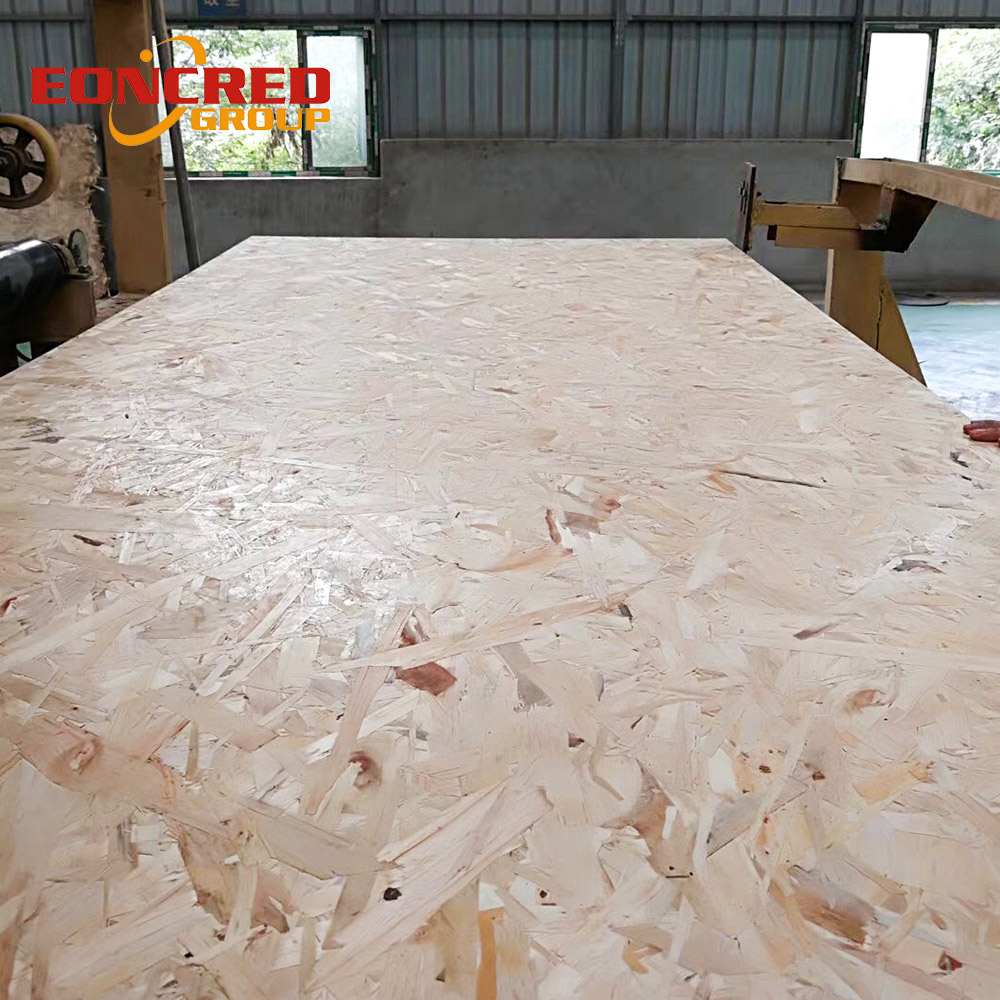
OSB stands out for its practical advantages over plywood, MDF, or particleboard:
Its cross-laminated structure provides consistent strength in both directions, resisting warping, twisting, and shrinking—perfect for floor, roof, and wall sheathing.
10–30% cheaper than plywood, OSB offers comparable quality, making it ideal for large-scale or budget-conscious projects.
Standard OSB is more moisture-resistant than particleboard/MDF; treated OSB (OSB 3) resists rot/mold for outdoor/damp spaces (not for long-term submersion).
Suitable for interior/exterior use—sheathing, subflooring, furniture, and decor. It can be painted, stained, or laminated to match any style.
Made from fast-growing softwoods, using nearly 100% of the tree. Many options use low-VOC adhesives and are fully recyclable.
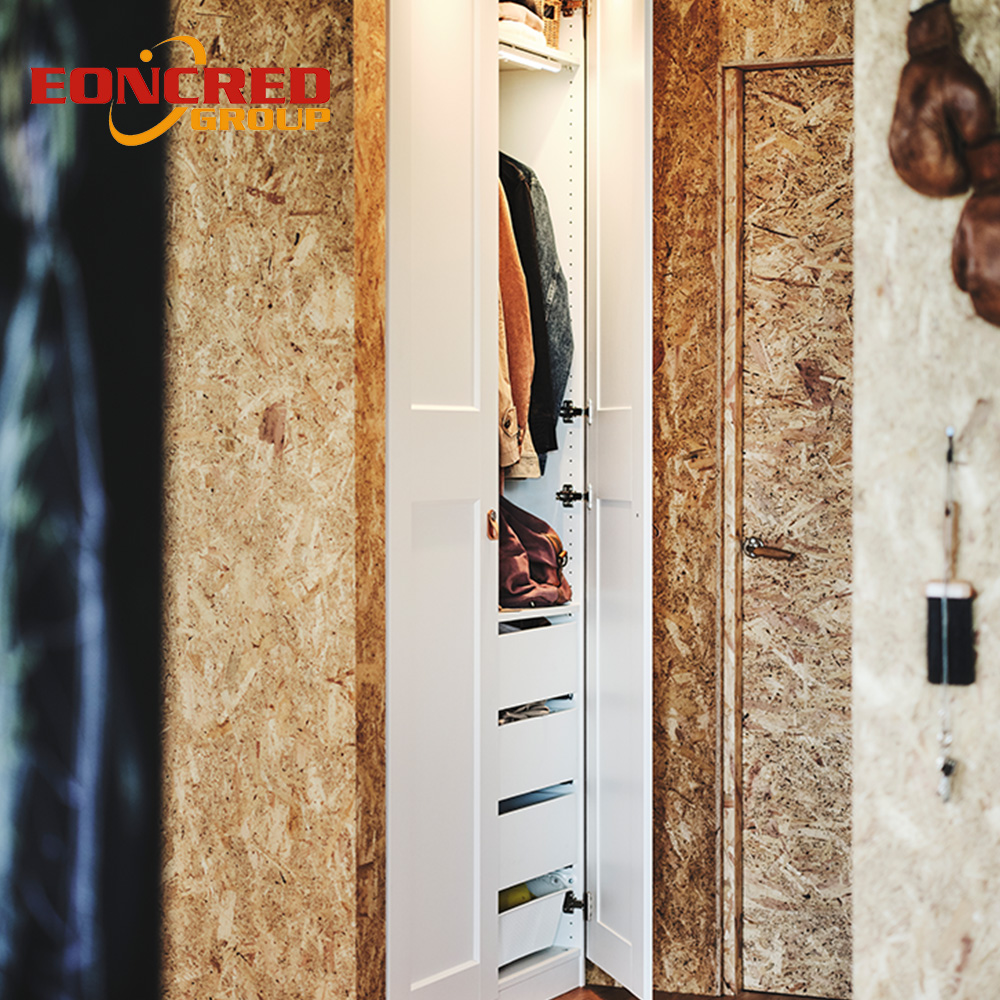
Structural Sheathing: The top choice for wall, roof, and floor sheathing in residential/commercial construction.
Exterior Projects: Treated OSB works for deck subfloors, shed walls, and exterior cladding bases.
Interior Design & Furniture: Its rustic aesthetic suits wall/ceiling panels and custom furniture (painted/stained for warmth).
DIY Projects: Easy to cut and affordable, ideal for bookshelves, workbenches, and garden planters.
OSB 1: Non-structural interior use (furniture backing).
OSB 2: Structural interior use (interior wall sheathing).
OSB 3: Water-resistant structural (exterior sheathing, damp areas).
OSB 4: Heavy-load industrial use.
1/4–3/8 inch: Non-structural/crafts.
1/2–5/8 inch: Residential wall/roof sheathing.
3/4–1-1/2 inches: Floor sheathing/exterior heavy loads.
Choose treated OSB for moisture-exposed projects; standard OSB for dry interiors. Opt for 4x8-foot (or larger) panels to minimize waste.
Leave a 1/8-inch gap between panels for expansion.
Use galvanized/stainless steel fasteners (1.5x OSB thickness).
Seal edges with water-resistant sealant for exterior use.
Install floor sheathing perpendicular to joists; wall sheathing vertically, securing properly to framing.
Strength: OSB has consistent strength; plywood is stronger along the grain.
Cost: OSB is more budget-friendly.
Moisture: Treated OSB suffices for most exteriors; marine plywood is more waterproof (costlier).
Aesthetics: Plywood is smoother (decorative); OSB has a rustic look (industrial/rustic designs).
OSB is a reliable, versatile building material for structural, decorative, and DIY projects. By choosing the right grade and thickness, you get a durable, affordable solution. Explore our high-quality OSB selection to find your project’s perfect fit!